SLJ – Toi Te Taniwha – Step it up

For this Te Reo Maori Step it up activity, I was challenged to create a Taniwha karu in Tanga Kukara. I used my smart searching skills to find taniwha eyes. I created 2 eyes and customize colours for inside. The tools I used was curve and polyline and it stands out perfect! I read information about which Taniwha I want to find out about Te Taniwha i Warewaretia, the taniwha pekehau, the taniwha of Wellington Harbour, Mangapuera, Moremore and Te ihi. I read another information about what are purakau? Something I learnt when reading this information was that it is stories that are rooted in Maori history and culture etc. I enjoyed doing this activity because I get to use tools and create Taniwhas!

Have you ever seen a real Taniwha? I haven’t!

SLJ – Toi Te Taniwha – Kick Start

For this Summer Learning Journey Te Reo Maori Kickstart activity, I was challenged to draw an imaginary taniwha on a piece of paper or on a DLO. For my Taniwha I created a type of weapon for its protection, in my DLO I included information and facts about it’s taniwha. I really enjoyed doing this activity because I didn’t know alot about Taniwhas but when I got to use my researching skills I found lots of interesting things. Something I found challenging while doing this activity was drawing the taniwha! It was really challenging but I looked at what a taniwha is shaped while doing my image.

SLJ – Project Tiger – Step it up

For this Summer Learning Journey Step it up Activity, I was challenged to create an animation of my chosen tiger (from the kickstart activity) moving through its habitat. As an apex predator, they are often difficult to see in the wild. I created a presentation for my animation, I used my smart searching skills to find their habitat. I picked tugai forests because that is where they mostly are, including their diet.

I picked a photo I found while researching and then researched one of their diets which was deers. I duplicated the exact same slide I started with but moved the animals around for it to look like it’s realistic (the tiger moving forward). We were also provided a video about how to do an animation if we were confused, there are instructions and other things for us to learn. How did I only get the tiger itself (without their background)? I used remove.bg to remove the background of my image. 

I enjoyed doing this activity because it keeps my learning going for next year and we get to be creative with the presentation. 

SLJ – Project Tigers – Kickstart

For this Summer Learning Journey Kickstart activity, I was challenged to create a fact file using Google Docs about a specific tiger. In this information we needed to include general overview, physical characteristic, habitat and diet, and major threats. I chose Caspian Tiger also known as Panthera tigris virgata, it is one of the largest and powerful tigers especially the rare Siberian Tiger! I watched 2 videos one was facts about tiger and the another one about the rare Siberian Tiger getting released. I used my smart searching skills to find the most and simple information abofut the Caspian Tiger, I looked at Wikipedia to find some interesting facts about that tiger. Did you know that no tigers are venomous, they are just big cats that are extinct. I enjoyed doing this challenge because we get to learn and understand more about tigers and what had happen to them.

Have you ever seen a tiger in real life? I have seen some at the zoo! Let me know in the comments.

Project Tigers

SLJ – Animal Tricksters – Step it up

For this Summer Learning Journey Activity, I was challenged to design my own animal trickster. Before starting, I watched two videos, one about different types of animal camouflage and another that encourged me to spot the hidden animals that use clever camouflage. These videos helped me udnerstand how animals use their appereance, patterns etc.

I was challenged to thinkc arefully about my animal: Does it hide from predators, does it try to catch prey, does it use camouflage to blend in or mimicry to pretend to be something else etc. These questions got me into thinking mode of designing a creature using clever strategies.

For my animal, I imagined a desert creature with multiple tentacle, bright colours, cactus spines. It uses camouflage to belnd into the sand and rocks which can make them quickly hide from predators or suprise preys. I used Adobe Express to create this image by using a prompt I created which was “A desert creature disguised as a cactus under the warm late afternoon sun. The creature has multiple tentacles like an octopus, with bright green, yellow, and orange stripes, small cactus like spines, and large expressive eyes. it blends seamlessly into the desert enviroment with sand,rocks and real cacti around it. Small desert animals, like a horned lizard are nearby. The style is realistic with sightly fantastical elements, perfect for an educational illustration”.

Have you seen an animal tricksters before?I haven’t, let me know what you think by sending a positive comment.

SLJ – Animal Tricksters – Kickstart

For this Sunmer Learning Journey Kickstart activity, I was challenged to solve a mystery question by thinking like a detective and a scentists. I watched 2 learning videos one explaining animal mimicry and tricksters, and another exploring how animals use camouflage in a game of hide and seek.

After warchinf rhe videos, I completed a shared presentation where I answered questions and justified my ideas by uding evidence and logical thinking. This task helped me figure out the different strategies animals use to survive. I then deisgned mt own “Which one doesn’t belong” digital poster to challenge others to use the same reasoning skills.

For the first challenge, the animals were the orchid mantis, alligator snapping turtle, anglerfish, and spicebush swallowtail catterpilar. The animal that did not belong was the alligator snapping turtle, because it depends mainly on their patience and ambus, rather than using mimicry or visual deceprion, which the other animals rely on.

For my own poster, I selected the zone-tailed hawk, anglerfish, alligator snapping turtle, and shark. Three of these animals use hunting stratgies to catch prey. Your challenge is to carefully analyse each animal’s behaviour and decide which one does not belong!

This activity improved my understanding ofhow animals use mimicry, camouflage, and deception as survival strategies. Creating my own challenge helped me develop my critical thinking skills.

Now it is your turn! Which one does not belong and why?

SLJ – Octopus Oddities – Step it up

For this Summer Learning Journey Step it up activity, we were challenged to create a poster to teach others about octopuses. We get to use our thinking skills like marine biologists, we use our smart searching skills to find out more about octopus. I used the same website from my kick start activity, but used a blue ringed octopus instead for interesting looks. In my DLO, I included information about how long they can live up to, facts about them, how they protect themselves and how smart, intelligent they are. I enjoyed doing this activity because I get to show and teach others about octopuses online. Something I found challenging was finding interesting information that people wouldn’t have heard before. Did you know that octopuses had blue blood instead of red? I didn’t!

SLJ – Octopus Oddities – Kick Start

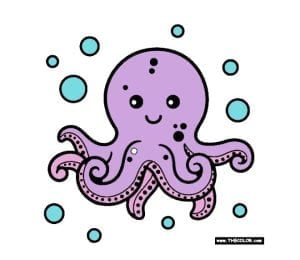
For this Summer Learning Journey Kickstart activity, I was challenged to create an octopus using the online colouring tool or to craft my own. We watched 2 videos, one octopuses have three hearts and blue blood. Octopus 101| Nat Geo Wild. I read information about Octopedia – choose a octopus to learn more about. For our challenge, we need to create an illustration of an Octopus using the online colouring tool or to print one of the Octopus drawing files and use your own pencil to colour. I used the online colouring website called thecolour.com. My octopus is purple as some of the purple octopus are venomous marine animals. 3 facts about octopus is they have 3 hearts, they have powerful incredible camouflage skills and they have blue blood instead of red. I enjoyed doing this activity because we get to use our skills to colour in the octopus and learn more about them.

Have you seen a purple octopus before in real life? I haven’t!

SLJ – Legs Legs Legs – Kick Start

For this Summer Learning Journey Kickstart Activity, I was challenged to design a prosthetic for Mosha (Elephant). What happened was Mosha the Elephant stood on a landmine when she was only 7 months old. Her front leg was destroyed. People thought she would never survive but a group of people worked together to create her a new leg. I watched a video of when the elephant lost her leg and a group of people invented a prosthesis for her. For the design, I chose the Looney Tunes! I traced one character on the left and an image on the right. I chose this because I want her to feel like they are her friends and would look after her. The next one is palm trees and birds in the sky which I also traced. I chose this because I want her to experience what the sunset is like or looks like. On the last I designed, I did randoms as I put the shapes on different spots. I enjoyed doing this activity, because we get to experience and learn the history or story behind things that have happened and help others.

Have you ever heard of this story before? I haven’t but it was interesting to learn about her story!

SLJ – Legs Tally – Step it up

For the Summer Learning Journey Step it up Activity, I was challenged to make a copy of an DLO and then add what you have found out about giant centipedes in the questions. We read information about Giant Centipedes, watched a video about a giant Centipede catches food and Centipede feeding. We used our smart reading skills, searching skills to find out information about the creature that fits/relates into the questions. Something I found hard about this challenge was finding information for each and single question but got through it!